Transform Your Vision in the Custom Home Building Process
Transform Your Vision in the Custom Home Building Process
Building a custom home is exciting, but it is also a big project with many moving parts. When you understand the custom home building process from the start, you avoid surprises, control your budget, and keep your stress low. You turn a vague dream into a clear plan, then into a finished home that fits your life.
Below, you will walk through the full custom home building process, from first ideas to final walkthrough, so you know what to expect at every step.
1. Clarify your vision and budget
Before you talk to a builder or an architect, get clear on what you want and what you can spend. This early work will guide every choice that follows.
Start by asking yourself a few simple questions:
How many bedrooms and bathrooms do you need today and in 10 years
Do you want open spaces for gatherings or more private rooms
What style feels right to you, for example modern, farmhouse, traditional
How important are energy efficiency and sustainable features
Next, set a realistic budget. The total cost of a custom home is shaped by land, design, construction, finishes, location, size, materials, labor, timeline, custom features, and site work (Patterson Homes). Build in a contingency of at least 10 to 20 percent for surprises like soil issues or material delays (Cobblestone Builders).
This is also a good time to learn what you can afford with financing. Many partners that work with builders like Olive City Construction accept credit scores starting around 550 to 600, with loan amounts that can range from $1,000 up to $250,000 depending on credit, income, and project scope (Olive City Construction). Talking to a lender early keeps you from designing a home you cannot fund.
2. Find your land and understand the site
If you do not already own a lot, your next move in the custom home building process is to secure land. Finding the right site is more than picking a pretty view.
You will want to look at:
Utilities and access to water, power, sewer or septic
Drainage and flood risk
Zoning rules and any HOA restrictions
How hard it will be to bring in a driveway and service lines
People on homebuilding forums often note that buying raw land is not the same as buying a finished lot. Land may need major site work before you can build, such as clearing trees, grading a slope, or blasting rock (Reddit). These steps add time and cost.
Soil conditions also matter. A soil test helps your builder understand if the ground can support the foundation and what type of foundation you will need (Old Town Design Group). Sloped or rocky lots often cost more to prepare because they need extra labor and equipment for grading and retaining walls (Cobblestone Builders).
Location has a strong impact on cost. Urban land is usually more expensive than rural land, and local building codes may require special construction for earthquakes, high winds, or floods. Labor and material prices can also change from region to region based on demand and transport costs (Patterson Homes).
3. Choose your custom home builder and team
With a vision and a site in mind, you are ready to choose the team that will guide your custom home building process. Your builder will shape your experience more than any single product or feature, so take your time here.
The National Association of Home Builders suggests you:
Contact your local home builders association for lists of builders
Study local real estate ads and builder websites
Ask friends and real estate agents for referrals
Visit model homes and home shows to inspect quality up close (NAHB)
When you tour finished homes, look closely at the details such as cabinetry, trim, flooring, and paint. These small things tell you a lot about craftsmanship (NAHB).
A strong builder will give you:
A detailed written contract that explains scope, price, and payment schedule
Clear communication about timeline, milestones, and decisions you need to make
Proof of experience and financial stability so they can finish the home and honor warranties (NAHB)
If you are early in your thinking, a full-service partner that handles custom home design and build can simplify your life. Builders like Olive City Construction start by understanding your vision, then create a tailored design, obtain permits, and manage construction with close oversight from concept to completion (Olive City Construction).
4. Design your custom home
The design phase is where your ideas become real plans. You may work with an independent architect, use pre-designed plans, or collaborate directly with your design build team.
A custom home is different from a production or spec home because it is designed for your exact needs, from layout to finishes, even down to small details (Patterson Homes).
During design, you will:
Finalize room sizes and layout
Decide on number of stories and roof style
Plan window placement and natural light
Consider special spaces like a home office, ADU, or flex room
Choose the level of built in storage and custom cabinetry
Architectural fees often range from 5 to 15 percent of construction cost, depending on how complex your design is and whether you add custom features or green building elements (Cobblestone Builders). Simple designs are usually cheaper to build and faster to complete. For example, homeowners are often advised to keep rooflines simple to avoid high roofing costs (Reddit).
It helps to involve your builder early during design. When the builder and architect collaborate from the start, they can keep your plans aligned with your budget, suggest cost saving tweaks, and avoid major redesigns later (Sims Builders).
5. Plan your budget, materials, and timeline
Once your design is far enough along, your builder will prepare a detailed cost estimate. Several major parts of the budget include:
Land and site preparation, including clearing, grading, and utilities (Cobblestone Builders)
Foundation type and size
Framing and structural work
Interior and exterior finishes
Mechanical systems, such as electrical, plumbing, and HVAC
Foundation and structural costs depend on your home size, the foundation type, and how complex your structure is. Larger homes and unique features like sweeping staircases or intricate rooflines require more materials and specialized support, which increases cost (Cobblestone Builders, Patterson Homes).
Materials and labor are two of the biggest cost drivers. You want materials that balance upfront price with long term durability, while labor costs change based on project complexity, local wages, and how tight the schedule is (Cobblestone Builders). A clear schedule helps your builder avoid delays and control labor expenses.
This is also when you will select key finishes like flooring, cabinets, countertops, plumbing fixtures, and lighting. Builders like Sims Builders stress the importance of choosing and ordering these items early, for example cabinets and flooring, to avoid delays once construction starts (Sims Builders).
Along with a cost plan, your builder will map out an estimated timeline that covers each stage of the custom home building process.
6. Secure permits and approvals
Before construction starts, your project needs approvals from your city or county, and often from your HOA if you have one. This step can take longer than many people expect.
Typical pre construction work includes:
Finalizing architectural drawings
Engineering review for structural safety
Submitting plans for building permits
Getting zoning, septic, and utility approvals
Permit offices move at their own pace, and local rules can be complex. Many experienced builders offer to handle these steps for you, including permits, licenses, HOA approvals, and inspections, which can reduce delays and headaches (Sims Builders).
Zoning regulations also vary widely by area and may limit building height, size, placement on the lot, or use of accessory structures. If your design does not match the rules, you may need changes that affect cost and timing (Old Town Design Group).
7. Watch your home take shape: construction stages
Once permits are in hand, the physical build begins. The custom home building process usually follows five main stages (MyBuilderCares).
Pre construction and site prep
Your builder will:
Set up the site and access roads
Clear trees and debris
Grade the land for drainage
Mark the exact position of your home
Site preparation and foundation work normally takes one to two months, depending on weather and site conditions (MyBuilderCares).
Foundation
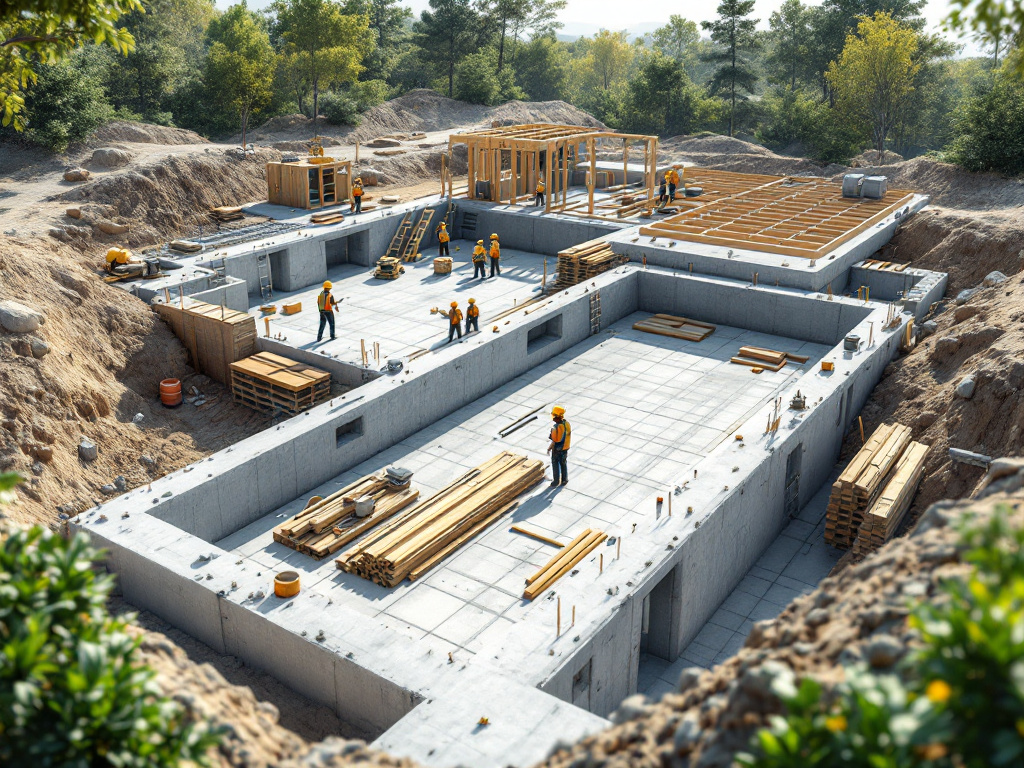
Next, the crew digs and pours your foundation, whether it is a slab, crawl space, or basement. Standard foundation types usually cost less and still provide strong performance if they are suited to your soil and climate (Cobblestone Builders).
Framing and structural work
Framing puts the skeleton of your house in place. Walls, floors, and roof framing usually take two to three months. Once this is done, your home will have its basic shape and roof, often called the dry in stage (MyBuilderCares).
Systems and finishes
After framing, trades install:
Electrical wiring and panel
Plumbing lines and fixtures
HVAC equipment and ductwork
Then come insulation, drywall, interior doors, trim, cabinets, countertops, flooring, paint, exterior siding, and roofing. This is the longest phase, often four to six months (MyBuilderCares).
Since custom homes are often larger and more detailed than production homes, the full build can take around 12 months once construction starts (NewHomeSource).
Final details and inspections
In the last one to two months, your builder will:
Install final fixtures and appliances
Complete landscaping and driveways
Check all systems and finishes
Coordinate final inspections and occupancy permits (MyBuilderCares)
Throughout construction, outside factors can affect your timeline. Weather delays, material shortages, and design changes are among the most common issues (MyBuilderCares, Old Town Design Group). A simpler design and quick decisions from you can help keep things moving while still protecting quality (MyBuilderCares).
Many architects estimate that the entire custom home building process, from early design through move in, often spans about two years, with roughly one year for pre construction and one year for actual building (NewHomeSource).
8. Manage changes, communication, and surprises
Even with careful planning, you should expect some changes and surprises in your custom home building process. The key is how you and your builder handle them.
Design changes during construction almost always add time and cost. Experts suggest making changes as early as possible, keeping a budget cushion, and talking through the impact of each change before you approve it (Sims Builders). Early selection of finishes and sticking to deadlines for those choices also keeps your project on schedule (Sims Builders).
Supply chain issues, weather, and even permit delays are common today. Builders who maintain strong relationships with trade partners and have backup plans can soften these blows, but clear communication is still vital (Old Town Design Group). Regular walkthroughs and check ins with your builder give you a chance to spot problems early and adjust as needed (Sims Builders).
9. Complete your final walkthrough and move in
As construction ends, you will walk through the home with your builder. This is your chance to check:
Paint, floors, and trim
Cabinets, doors, and windows
Plumbing fixtures and appliances
Electrical outlets, switches, and lights
Heating and cooling operation
A good builder will explain how your systems work, note any touch ups, and give you a plan for warranty support. Companies like Old Town Design Group highlight the value of a complete home warranty and follow up during the first year after completion, to make sure the home performs as it should (Old Town Design Group).
Once any final fixes are done and you receive your certificate of occupancy, you are ready to move in and enjoy the home you designed from the ground up. If you want a deeper look at what it means to be building a home from the ground up, you can explore that process in more detail too.
Take your next step with confidence
You have seen how the custom home building process works, from early vision and land choice to design, permits, construction, and final walkthrough. There are many steps, but you do not have to manage them alone.
If you are ready to start, your next move is simple: talk to an experienced builder who can walk you through options, budget, and timeline. If you are in Northern California and looking at custom home builders near me or even exploring affordable custom home builders, connect with Olive City Construction.
They will listen to your goals, help you shape a smart plan, and guide you from first sketch to final keys in hand. Reach out today and take the first clear step toward the custom home you have been picturing.
