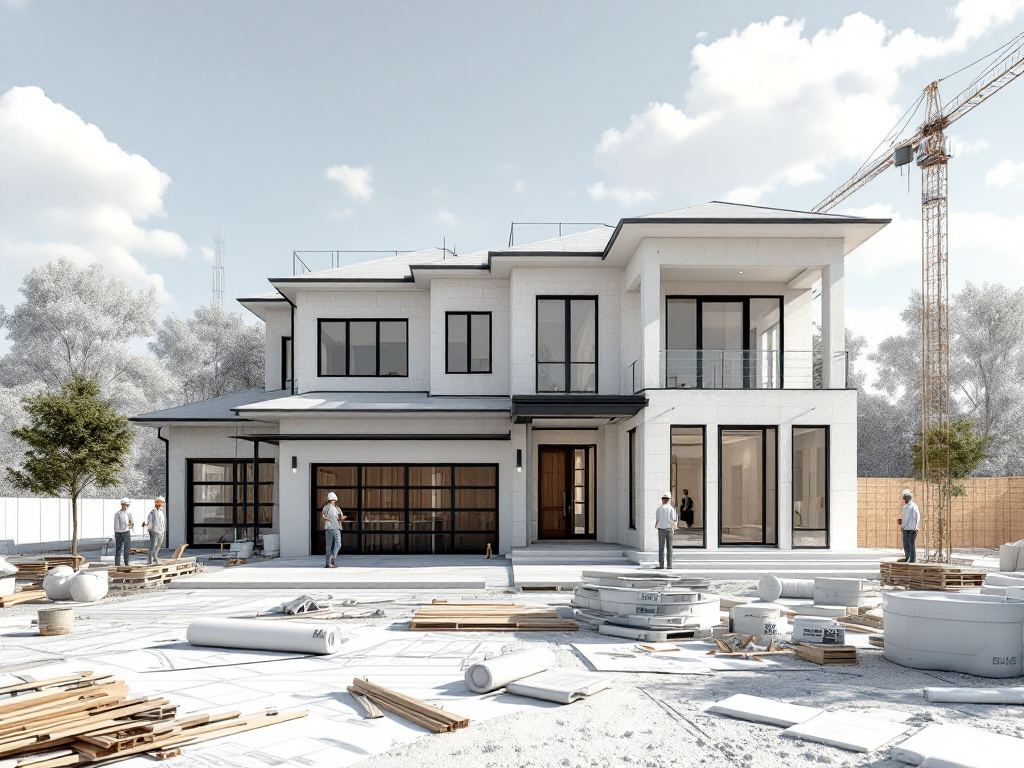
Master Your Dream Home with Custom Home Design and Build
Master Your Dream Home with Custom Home Design and Build
Why custom home design and build is worth it
When you choose custom home design and build, you are not just buying a house. You are building a one of a kind space that fits your family, your routines, and your budget from day one.
Instead of forcing your life into someone else’s floor plan, you decide the layout, light, style, and features. You choose where the kids play, how your kitchen works, and where you relax at night. Custom homes are built from the ground up around you, with a team that includes you in every key decision (BuildLabs).
If you are thinking about building a home from the ground up, this guide walks you through the full custom home design and build process. You will see what happens at each step, what it costs, and what to watch out for so you can move forward with confidence.
Step 1: Clarify your vision and budget
Before you look at floor plans or pick paint colors, you need a clear vision and a firm budget. Those two things will guide every decision that follows.
Start with simple questions you can answer in a few minutes:
How many people will live in the home now, and in 10 years
How many bedrooms and bathrooms do you really need
Do you work from home, host big gatherings, or need quiet hobby space
Do you want a single story, main floor living, or multi level layout
How important are energy efficiency and green design to you
Custom homes are flexible. You can plan open layouts for entertaining, a quiet nursery near your room, a separate home office, or a first floor suite for aging parents (BuildLabs; Deputy Builders). Write down your must haves and your nice to haves. This list becomes your design roadmap.
Next, set a realistic budget. Remember that total cost includes:
Land purchase
Site prep, like grading and utilities
Design and architectural fees
Construction labor and materials
Permits, inspections, and fees
Interior finishes and any landscaping
Nationally, a 2,100 square foot custom home costs around $332,397 before land (BuildLabs). In many areas, experts suggest adding at least 30 percent to early estimates to cover surprise costs like utility hookups or site work (Reddit). Give yourself that cushion from the start.
Step 2: Secure the right land
The wrong lot can wreck a great design or blow up your budget. The right land makes almost everything easier.
When you look for property, think about:
Utilities: How hard is it to get power, water, sewer or septic to the site
Drainage: Does water run away from where the house will sit
Access: Is there a clear, safe way in for you and for construction trucks
Zoning: Does local code allow the size and type of home you want
Buying raw land is more complex than buying a lot in a finished neighborhood. You must consider easements, setbacks, soil quality, and sometimes long waits for utility connections (Reddit). This is one place where having a builder or architect look at a site before you buy can save you tens of thousands of dollars later.
In some regions, land can easily cost as much as the house itself, and site prep can range anywhere from the low tens of thousands into much higher territory, depending on grading, tree removal, and utility runs. Planning for those costs up front keeps your design realistic.
Step 3: Choose your custom home design and build team
Your builder is your partner for the next 12 to 24 months. You want a team that is stable, transparent, and easy to talk to.
When you look at custom home builders near me, use a simple checklist:
Are they licensed and insured
How long have they been in business
Do they build the size and style of home you want
Can they share recent projects and references
Do they clearly explain process, pricing, and timelines
The National Association of Home Builders suggests you also look for builders who belong to local builders’ associations and who provide detailed written contracts with clear scopes of work and payment schedules (NAHB). This shows they are serious about quality and accountability.
Touring model homes or recent builds lets you see the quality of framing, trim, cabinetry, and finishes up close (NAHB). You will quickly notice the difference between a builder who cuts corners and one who cares about the details.
If budget matters, look for affordable custom home builders that still focus on planning, communication, and smart material choices. Companies like Olive City Construction combine high end custom work with budget conscious advice, so you get the best value for your money.
Step 4: Design your floor plan and features
Once you have a builder and land, the custom home design and build process moves into planning your actual home.
Work with design pros, not guesswork
You will usually work with an architect, in house designer, or both. These pros help you translate your wish list into real plans that meet code and fit your lot. In many projects, architectural fees run between 5 and 15 percent of construction cost, depending on how complex the home is (Cherry Hill Custom Homes). Some builders include design in their services which can simplify coordination.
Good design is about how you live, not just how the house looks. Think about:
Main floor living so you can age in place with a first floor bedroom and laundry (Deputy Builders)
Flexible spaces for multi generational living, like a mother in law suite with its own bath and sitting area (Deputy Builders)
Indoor outdoor living, like big sliders to a covered patio or outdoor kitchen (Deputy Builders)
Smart storage that keeps clutter low and rooms calm
Pick a style that will last
Trends are useful for ideas, but you want a home that still feels right in 10 or 20 years. Today, many homeowners like:
Clean, calm bedrooms with moody colors and simple furniture for a restful feel (HGTV)
Renter friendly or flexible upgrades like bold shower curtains, cozy rugs, and easy to swap accessories that let you refresh spaces without major work (HGTV)
Architectural details like vertical wall paneling or chair rails that add historic charm without changing the structure (HGTV)
Dutch doors, which bring in fresh air while keeping kids or pets safe inside (HGTV)
These are the kinds of touches that make a custom home feel personal instead of cookie cutter.
Step 5: Plan for efficiency, tech, and materials
A big advantage of custom home design and build is that you can bake in smart, efficient features from day one.
Custom homes can include:
High performance insulation and advanced HVAC systems to cut energy use and improve comfort (Holmes Custom Homes; BuildLabs)
Green design choices like heat pump systems, better windows, or eco friendly flooring such as bamboo (Deputy Builders)
Solar ready roofs and smart wiring, so adding panels or new tech later is simple (BuildLabs)
Built in smart home features, from security to lighting and sound, without messy retrofits (Holmes Custom Homes)
You also control material quality. With a custom build, everything from framing lumber to siding and tile is new and chosen for durability, look, and budget. This level of control is hard to get in a resale home, where hidden issues and older systems can surprise you later (BuildLabs; Holmes Custom Homes).
Step 6: Permits, pricing, and contracts
Before any dirt moves, your builder will help secure building permits and any other approvals your city or county requires. This step can take weeks or months, depending on local rules.
At the same time, you will refine pricing. Construction costs per square foot vary a lot by region and finish level, and you will see wide ranges in national data. Costs also break down into big chunks like:
Foundation and framing
Roofing and exterior
Interior finishes such as flooring, cabinets, and counters
Mechanical systems like plumbing, electrical, and HVAC
On top of that, high end upgrades like spa bathrooms, home theaters, custom cabinetry, pools, and landscaping can add tens of thousands, sometimes much more, to the final price tag (Cherry Hill Custom Homes).
A reputable builder will turn this into a clear written contract that lists what is included, what it costs, and how and when you pay (NAHB). Do not skip this step. It protects you and your builder.
Step 7: Construction, walkthroughs, and communication
Once permits are in hand and contracts are signed, you move into the build itself. A typical custom home construction timeline includes:
Site prep and foundation
Framing
Roof and exterior
Rough plumbing, electrical, and HVAC
Insulation and drywall
Interior trim, cabinets, and paint
Flooring, fixtures, and final details
Landscaping and exterior finishes
Some hands on owners choose to do small parts of the work themselves, like painting, but most people let pros handle the full build. Either way, you need steady communication. Keeping detailed notes on decisions, change orders, and payments helps avoid confusion later (Reddit).
Your builder should walk you through the home at key points, such as just after framing, before drywall, and near the end. This is your chance to catch issues early, understand what is inside the walls, and confirm that the home matches the plan.
At the final walkthrough, make a punch list of anything that needs fixing. You should also receive warranty information and instructions for major systems so you can keep your new home in top shape (Holmes Custom Homes).
Step 8: Move in and enjoy a truly custom home
When you finally move in, you are not just getting keys. You are stepping into a space that fits you from day one.
That might mean:
A chef’s kitchen that actually matches how you cook
A spa style primary bath you look forward to using every night
A home office with natural light and no distractions
A main floor suite ready for guests or future multi generational living
Because everything is new, built to modern codes, and covered by warranties, you start life in your custom home without the backlog of repairs that many resale homes bring (Holmes Custom Homes). You get comfort, control, and peace of mind.
Custom home design and build is not just a project. It is a one time chance to shape how you and your family live for decades.
Ready to start your custom home design and build
If you are serious about your next step, your best move now is to talk with a builder who handles the full custom home building process from first idea to final walkthrough.
Olive City Construction specializes in high end, budget friendly custom homes, additions, and whole house remodels. Their team focuses on careful planning, clear financial advice, and tight project management so your design, budget, and schedule stay aligned from start to finish (Olive City Construction).
Reach out to Olive City Construction today to share your vision, walk through your options, and see what your dream home would take in real numbers. With the right partner, your custom home design and build can move from “someday” to a clear, step by step plan.
