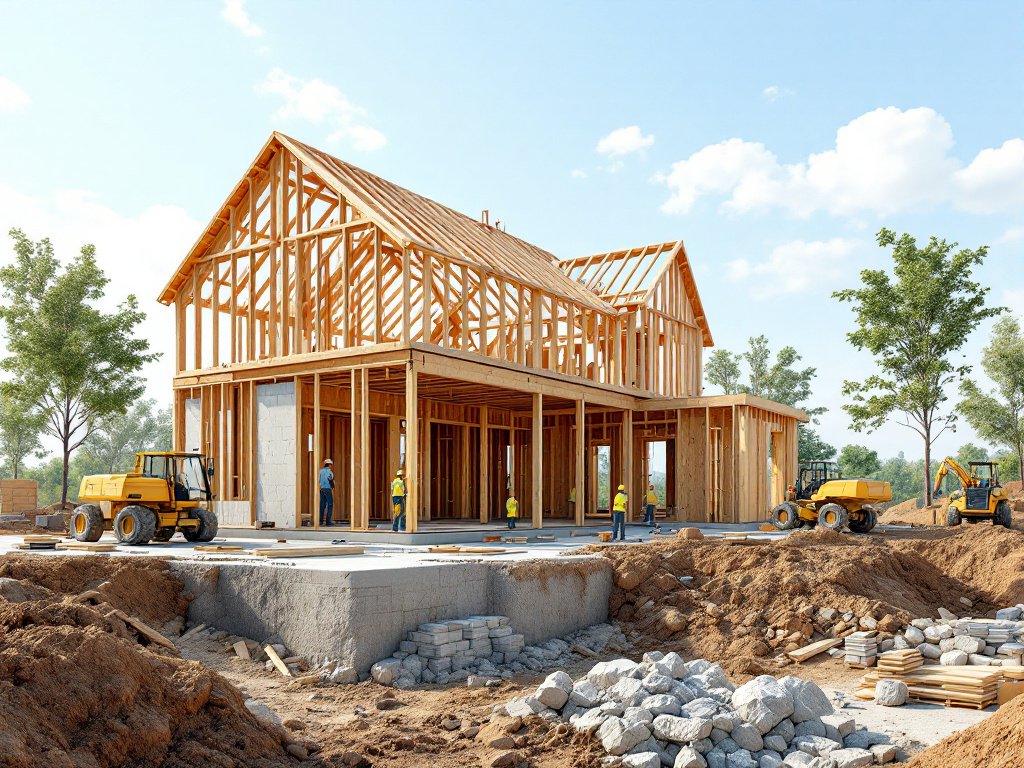
Building a Home from the Ground Up: Expert Tips You’ll Love
Building a Home from the Ground Up: Expert Tips You’ll Love
Building a home from the ground up is one of the biggest projects you will ever tackle. It is also one of the most rewarding if you understand the steps, the timelines, and the decisions you will make along the way.
This guide walks you through building a home from the ground up in clear, simple language, from the first idea to move‑in day. You will see what happens at each stage, where the main risks sit, and how a good builder helps you stay on time and on budget.
Start with your vision and budget
Before you think about floor plans or finishes, you need two things: a clear vision and a realistic budget.
Your vision is the “why” behind your custom home. Ask yourself:
Who will live here and for how long
How many bedrooms and bathrooms you truly need
What spaces matter most, like a big kitchen, home office, or in‑law suite
How important energy efficiency and low maintenance are to you
Next, set a budget range for the full project, not just the house. That means land, site work, permits, design fees, construction, and a backup fund for surprises. Builders and homeowners on forums often recommend adding at least 30 percent to early estimates because site work and utilities can add tens of thousands of dollars, especially on rural lots (Reddit).
A clear budget helps you decide whether you want a fully custom design, a semi‑custom plan, or a more standard approach. It also helps you choose between different affordable custom home builders in your area.
Choose land and understand your site
Your lot decides more than your view. It shapes your foundation type, drainage, driveway, and sometimes even your floor plan.
Before you buy land, you should:
Check zoning and building rules
Confirm access to water, power, sewer or septic
Look at slope, trees, and where the sun hits
Ask about soil tests and perc tests for septic if needed
Securing the right land is a major early step. It affects costs for utilities, drainage, and site prep, and those can change the total bill a lot (Reddit).
A good builder or architect can walk the site with you and flag risks like poor soils, tricky driveways, or water problems before you sign anything. Many people find their builder by searching for custom home builders near me and then asking them to review a lot before purchase.
Design your custom home plan
Once you have a site and a budget range, you move into design. This is where you shape how your future home will feel day to day.
You typically have three paths:
Fully custom design with an architect or a design‑build firm
Semi‑custom plan where you start from a proven layout and tweak it
A modified stock plan if you want less design time and cost
Semi‑custom homes are a smart middle ground. You begin with a tested plan and personalize it, which gives you design flexibility without the risk of an unproven layout or structure (Dunn & Stone Builders).
During design, you and your team will:
Place the home on the lot to catch light and views
Decide room sizes, traffic flow, and storage
Talk through energy efficiency and insulation levels
Start a rough list of finishes so costs are more accurate
If you want a single team for both planning and building, look for a custom home design and build service. This keeps design choices and budget in sync from the start.
Get permits and approvals
Before a shovel hits the ground, your builder needs permits. This step protects you, the city, and your investment.
Typical permits and checks include:
Zoning and building permits
Grading, drainage, and sometimes erosion control
Septic permits if you are not on city sewer
Electrical, plumbing, and mechanical approvals
According to homebuilding guides, most projects start with securing these permits, then clearing and leveling the site before any foundation work begins (NewHomeSource). Timelines vary by city, so it is smart to ask your builder how long approvals usually take in your area.
Prepare the site and build the foundation
Now the visible work begins. Site prep and the foundation are not flashy, but they decide how solid your home will be for decades.
Site preparation
Site prep often includes:
Clearing trees and brush
Rough grading to shape the land
Marking the exact house location
Bringing in temporary power and arranging water
Some builders offer fixed cost guarantees on lot prep so you are not hit with surprise charges if the soil is more complex than expected (Dunn & Stone Builders).
Foundation types and why they matter
Your foundation spreads the weight of the house into the ground and protects it from moisture and movement. Foundation experts explain that a strong foundation distributes the load, resists natural earth movement, and helps keep interiors warm and dry (This Old House).
The most common foundation types are:
Slab foundations, a single thick concrete pad, are popular in warm areas with stable soil.
Crawl space foundations lift the house above the ground and create a short space for storage and mechanical systems, which helps in areas with high water tables or expansive soils.
Basement foundations are often used in colder climates or when you want extra living or storage space below grade (This Old House).
Concrete is the main material in modern foundations. Poured, steel‑reinforced concrete walls and footings are preferred for strength and durability when they are mixed, poured, and cured correctly, reaching about 3,000 psi when done right (This Old House).
A quality foundation usually represents 8 to 15 percent of your total construction cost. A slab might cost from $5,000 to $16,000, while a full basement for a mid‑sized home can range from $40,000 to $74,000, which shows why this stage is a key long‑term investment (This Old House).
Strong foundations also anchor the house during wind or seismic events. They shift loads into the footings and soil, resist lateral forces, and help keep your home safe (Fox Blocks).
Waterproofing and insulation below grade
Good waterproofing is not optional. It protects your structure and your air quality.
Builders often use:
Bituminous coatings
Polymer‑based sealants
Drainage membranes
Applied correctly, these block water from entering basement or crawl space walls and help extend the foundation’s life (This Old House).
Some projects also use insulated concrete form (ICF) foundations. Here, hollow foam blocks are stacked dry, reinforced with rebar, and then filled with concrete. This method can be used in very cold temperatures and produces walls with nearly double the compressive strength of typical poured concrete plus high insulation values over R‑20 (Fox Blocks). Systems like Fox Blocks combine structure, insulation, air barrier, and vapor control into one step, which can speed up construction and lower long‑term energy costs (Fox Blocks).
Frame the structure and dry in the house
Once the foundation cures, framing turns the lines on your drawings into a real house.
Framing the “skeleton”
Framing includes:
Floor system
Exterior and interior walls
Roof structure
Exterior walls get sheathing, then windows and doors. After that, house wrap goes over the sheathing to block water while still letting moisture escape. This rough framing stage is a big cost chunk, often priced per square foot, and usually takes one to two months (NewHomeSource).
As one major builder notes, framing does more than shape the house. It also sets the stage for good insulation, which keeps your home cool in summer and warm in winter (M/I Homes).
Drying in the home
“Dry‑in” is when your roof, windows, and doors are in place and the interior is protected from rain. At this point, crews can safely start installing the systems behind your walls.
Install plumbing, electrical, HVAC, and insulation
This is the part you rarely see once you move in, but it is one of the most important stages.
Rough mechanicals
During rough‑in, crews install:
Pipes and sewer lines
Electrical wires, boxes, and the main panel
Ductwork, vents, and major HVAC equipment
Bathtubs and one‑piece showers that must go in before walls are closed
Typical costs and timelines for a mid‑size home might include $8,000 to $12,000 for rough plumbing, several thousand for electrical wiring, and $7,000 to $17,000 for HVAC, with this phase lasting two to four weeks (NewHomeSource). Each system is inspected for safety and code compliance before you move on (M/I Homes).
Insulation and energy efficiency
Insulation goes into exterior walls, the attic, floors above unheated spaces, and sometimes the foundation. Common types include fiberglass, cellulose, foam, mineral wool, and spray foam. For a 2,000 square foot house, insulation might range from $2,000 to $10,000 and take one to two weeks to install (NewHomeSource).
Good insulation cuts energy bills and makes the home more comfortable year round (M/I Homes).
Finish interiors and exteriors
Once the walls are insulated, your home starts to look complete.
Inside, crews will:
Hang drywall, tape, and texture
Paint walls and ceilings
Install interior doors and trim
Set cabinets and countertops
Lay flooring and tile
Mount fixtures, outlets, and switches
Outside, they will:
Install siding, stucco, or other cladding
Add exterior trim and paint
Pour driveways and walkways
Grade the yard and place basic landscaping
During this stage, you make a lot of final decisions on colors and finishes. This can feel overwhelming. Builders and designers note that staying focused, using expert advice, and sticking to earlier choices helps you avoid “decision fatigue” (Sheffield Homes).
Walkthrough, punch list, and move‑in
Before you get the keys, your builder will arrange a detailed walkthrough.
You will:
Test doors, windows, and locks
Check surfaces for dents or scratches
Run faucets and flush toilets
Turn lights on and off in each room
Look for paint touch‑ups and small fixes
Any issues go on a punch list that your builder completes before final sign‑off. Then you receive your certificate of occupancy from the city or county. On many projects, the full build from breaking ground to this point takes around seven months on average, although custom homes can run longer depending on design and local conditions (NewHomeSource).
After move‑in, most builders offer a warranty period that covers certain defects. Keep a running list of anything you notice and share it with your builder before the warranty window closes.
Plan your timeline, budget, and priorities
Across all these stages, three things decide how smooth your project feels: time, money, and scope.
Time: Many custom homes take six months to more than a year to build. Weather, material delays, labor shortages, and design changes can all add weeks (Sheffield Homes).
Money: In many markets, custom homes range widely in cost per square foot depending on location and finish level. What matters most is that your builder is open about costs and helps you keep on track.
Scope: Separating “must‑haves” from “nice‑to‑haves” early can save stress and money. Builders find that the biggest challenges clients report are staying on budget, staying on schedule, and finding the right products and materials, all of which tie back to clear expectations (Dunn & Stone Builders).
Your builder should help you protect these three areas and warn you when choices will push you over in any one of them. A clear custom home building process makes it simpler to see where you can save and where you should invest.
Building a home from the ground up works best when you match a clear plan with a builder who treats your budget as carefully as you do.
Why partner with Olive City Construction
If you plan to build in Northern California, you do not need to figure all of this out alone.
Olive City Construction specializes in ground‑up custom homes, with a process that starts by understanding your vision, shaping a design that fits your life, and then handling permits and construction oversight from start to finish (Olive City Construction). The team focuses on tailored solutions, so your home matches your needs instead of forcing you into a standard plan.
They also look at the financial side with you, using smart materials and design choices to maximize long‑term value while staying inside your budget (Olive City Construction). If you need financing, many clients qualify with credit scores in the mid‑500s and can access funding quickly after approval, which helps keep projects moving (Olive City Construction).
If you are ready to talk through your ideas, timeline, and budget, visit Olive City Construction and schedule a consultation. You will walk away knowing what your project might cost, how long it is likely to take, and what the next clear step is for building your home from the ground up.
